
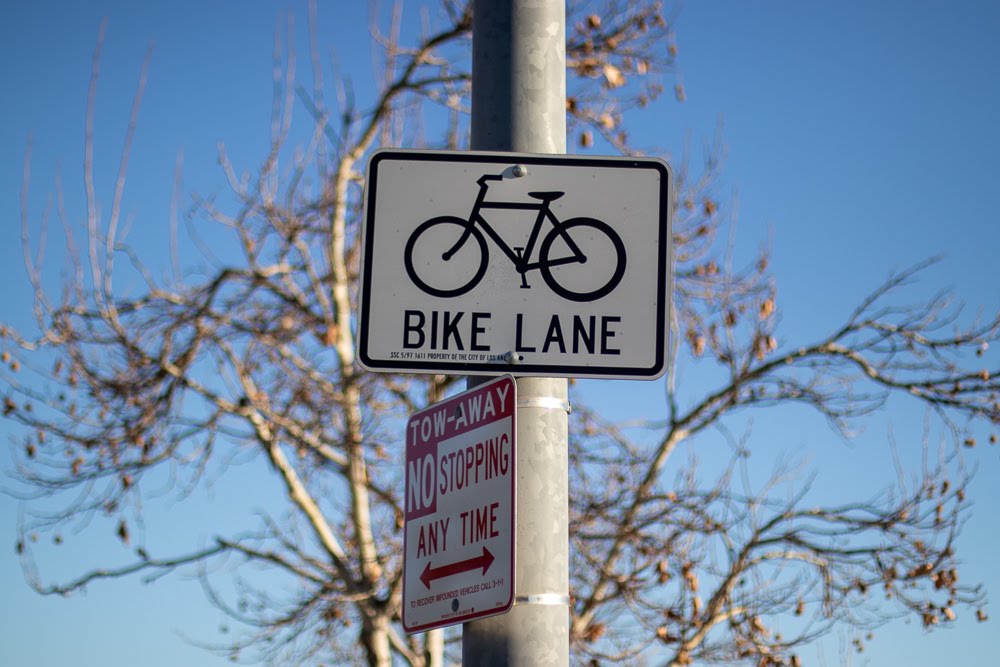
When a cyclist gets hit in a bike lane, the crash can change a normal day quickly. A rider may deal with pain, missed work, bike repairs, and insurance calls at once. Clear steps can help protect health, records, and a possible injury claim.
After a bike lane accident, New York City cyclist injury victims may need answers about fault and coverage. Drivers, parked cars, delivery vehicles, blocked lanes, and road hazards can all play a role. What happens before and after the crash can affect the claim.
When cyclists use marked bike lanes, drivers should respect that space. A driver should not block a bike lane, crowd a rider, or turn across the lane without checking. Cyclists should also follow traffic signals, signs, and basic road rules.
Because bike lanes give riders a safer place to travel, blocked lanes can create a serious risk. A cyclist may need to leave the lane to avoid a truck, an open door, or damaged pavement. A rider should not be blamed simply for avoiding danger.
If a bike lane is blocked by a vehicle, construction, trash, or road damage, that detail can matter. Photos can show why the cyclist had to change position. This proof may help answer claims that the rider moved unsafely.
If a driver cuts across a bike lane, fault may depend on timing and visibility. Turn signals, mirrors, camera footage, and witness statements can help explain what happened.
When a driver turns without checking the bike lane, a cyclist can get hit in seconds. These crashes can happen near driveways, intersections, parking spaces, and building entrances. A driver saying they did not see the rider does not end the review.
After a parked car door opens into a cyclist’s path, the rider may have no safe escape. These dooring crashes can throw cyclists into traffic or onto the pavement. Injuries can include broken bones, head injuries, cuts, and shoulder damage.
If delivery trucks or rideshare vehicles stop in bike lanes, cyclists may be pushed into traffic. Photos of the blocked lane can help show why the rider had to move. Nearby cameras may also capture the vehicle’s position before the crash.
Because road conditions matter, damaged pavement should not be ignored. Potholes, metal plates, faded markings, and loose debris can cause a cyclist to fall. Repair records or prior complaints may help show whether the hazard was known.
When a cyclist is injured, fault depends on the actions of everyone involved. A driver may be liable for speeding, unsafe turns, distraction, or failing to yield. A passenger may also share fault after opening a door without checking.
If a commercial vehicle caused the crash, the company may become part of the claim. Delivery records, route data, work schedules, and GPS logs can help explain the driver’s actions. These records may show whether the driver acted safely.
Because bicycle accident liability in New York depends on facts, no single detail decides every case. Police reports, photos, medical records, repair bills, and witness accounts all matter. A clear timeline can help show why the cyclist was hurt.
Where a road hazard caused the crash, public maintenance records may also matter. The question may be whether the hazard existed long enough for action. These claims need careful review because notice rules can be strict.
Once the crash occurs, move to a safer place if you can do so without harm. Call 911 if you feel pain, dizziness, confusion, or weakness. A police report can help document the location and people involved.
Before the scene changes, take photos of the bike lane, vehicles, injuries, and road surface. Capture signs, skid marks, broken bike parts, debris, and anything blocking the lane. These details can disappear quickly on busy streets.
If witnesses stopped, ask for their names and phone numbers. A nearby worker, driver, pedestrian, or cyclist may have seen the crash. Their account can support your version if an insurer later disputes fault.
Because pain may grow worse later, get medical care as soon as possible. Headaches, neck pain, back pain, knee injuries, and wrist pain can appear after the shock fades. Medical records can connect your injuries to the crash.
When a cyclist is hit by a motor vehicle in New York, no-fault benefits may help with medical bills and lost wages. Notice deadlines can apply, so delays may create problems. The right insurance source may depend on the vehicles and policies involved.
After a serious injury, a cyclist may also have a claim against the at-fault driver. This may apply when injuries meet New York’s serious injury standard. Medical records, test results, and treatment notes can help show the injury’s impact.
If the driver fled or had no insurance, other coverage may need review. A household auto policy or another available insurance source may apply. These issues should be checked before accepting any payment.
For a NYC cyclist injury claim, insurers may question fault, injuries, or treatment needs. They may argue that the cyclist rode outside the lane or moved suddenly. Photos, records, and witness statements can help answer those claims.
Were you injured in a bike lane accident? At metrolaw.com/, we help injured cyclists understand their options after serious crashes. Our personal injury lawyers can review your case and explain what steps may apply.
For help after a bicycle accident in New York, call metrolaw.com/ at 800-469-6476.

Serious accidents in New York and New Jersey take place in a wide variety of...
Settling a personal injury case can feel like the end of a long road. Once...

Distracted driving in NJ, from texting to holding a phone, can establish a driver’s liability...
When traffic slows on the New Jersey Turnpike, Garden State Parkway, I-80, or Route 1,...