

Serious accidents in New York and New Jersey take place in a wide variety of everyday scenarios. A short drive or simple errand can quickly lead to painful injuries and lasting disruption. Medical bills and time away from work can add pressure during an already difficult time.
Since New York and New Jersey follow different rules on fault and compensation, you may be unsure when an accident may lead to a claim in these two states. Below are common causes of serious accidents in both states and how fault is typically determined.
An accident that causes lasting physical harm may meet the legal threshold for a serious injury. In New York, this standard looks at whether the injury results in lasting limits on normal physical function. Injuries such as broken bones, permanent scarring, or restricted movement often qualify.
New Jersey uses a policy-based system tied to the insurance option a driver selected. Under the “limitation on lawsuit” plan, pain and suffering claims are limited to cases involving permanent injury. The “no limitation” plan allows broader recovery beyond immediate medical costs.
Each system determines whether a person can seek damages for long-term pain or disability. Understanding these differences helps you evaluate whether your injuries may support a legal claim.
In city traffic, a careless action can trigger a crash. Collisions involving cars, motorcycles, or trucks are a leading cause of hospital visits in both states. On major highways like the New Jersey Turnpike and the Long Island Expressway, drivers must react quickly to avoid crashes.
Pedestrians and cyclists face greater exposure in these settings. A missed signal or unsafe turn at a crosswalk can lead to serious harm. Victims often suffer head injuries, broken ribs, or deep bruising that requires medical treatment.
Reducing these accidents depends on shared responsibility. Drivers who slow at intersections, watch for crosswalk activity, and stay alert help lower the risk. Pedestrians and cyclists who follow signals and remain visible also play a role in preventing serious injuries.
Property owners who fail to maintain safe conditions can create hazards without warning. Wet floors, uneven surfaces, and broken steps are common causes of falls. These risks appear frequently in New York apartment buildings and New Jersey retail spaces.
After a fall, quick action helps preserve key evidence. Reporting the hazard and taking photos can show that the owner failed to correct a known danger. Property managers who ignore visible risks may be held responsible.
Liability often depends on who controlled the property at the time. Landlords, maintenance companies, and commercial tenants may share legal duties for safety. Clear documentation strengthens the foundation of a future claim.
Construction sites expose workers to heavy machinery and elevated structures. Falling objects, exposed wiring, and unstable scaffolding create daily risks. These conditions make construction zones dangerous workplaces in both states.
Workers’ compensation covers medical care and partial wage replacement after an injury. In some cases, negligence by another contractor or supplier allows a separate personal injury claim. That claim may address long-term pain, rehabilitation, and future income loss.
Construction sites change quickly, and evidence can disappear fast. Prompt investigation helps preserve witness statements and site photos. Inspection records often clarify how the injury occurred.
Workplace safety rules differ between New York and New Jersey. Knowing which protections apply helps injured workers pursue available benefits and avoid missed recovery opportunities.
Defective products can cause injuries in homes, vehicles, and workplaces. Faulty airbags, unstable ladders, and malfunctioning heaters have harmed consumers in both states. Product safety laws exist to keep dangerous goods off the market.
When a product fails, the law examines how it was designed, made, and sold. Manufacturers must follow safety standards, and sellers must avoid distributing unsafe items. A breakdown at any stage can create legal responsibility.
Preserving the product after an injury is important. Photos, receipts, packaging, and warning labels help show how the product was used and why it failed. This evidence supports claims that safety rules were not followed.
Serious accidents often cause injuries that disrupt daily life. Spinal cord damage, traumatic brain injuries, and broken limbs are common outcomes. Severe burns and crushed bones may require surgery and recovery.
Some injuries appear days after an accident. Headaches, stiffness, or numbness can signal internal trauma not obvious at first. Early medical evaluation protects both health and future claims.
Long-term injuries affect independence and emotional well-being. Physical therapy, assistive devices, and time away from work can change routines. Medical records help document these effects over time.
When fault is disputed, each state applies a different rule. New York follows pure comparative negligence, allowing recovery even if a victim is mostly at fault. Compensation is reduced by the assigned percentage.
New Jersey uses modified comparative negligence. Recovery is barred if a person is more than 50 percent responsible. This rule makes early evidence especially important.
In both states, no-fault insurance covers initial medical costs in vehicle accidents. A lawsuit may become available after expenses exceed legal thresholds. Evidence plays a central role in determining responsibility.
After treatment begins and records are available, you should speak with an attorney promptly. A lawyer familiar with New York and New Jersey law can review injuries, insurance policies, and deadlines. This review helps determine the best path forward.
Speaking with an attorney early helps prevent missed deadlines. New York allows three years to file most accident cases, while New Jersey allows two. These deadlines usually begin on the date of the incident.
A lawyer can also help gather records and communicate with insurers. Early guidance helps protect your claim from mistakes that reduce its value.
If you were injured in a crash, fall, or workplace accident anywhere in New Jersey or New York, don’t handle the aftermath alone. At MetroLaw.com, we help injured victims navigate insurance issues and legal claims.
We handle every step of the legal process, from gathering evidence to pursuing compensation.
Call MetroLaw.com today at 800-469-6476 to discuss your case with our New Jersey and New York personal injury lawyers. We're here to fight for your recovery and guide you every step of the way.
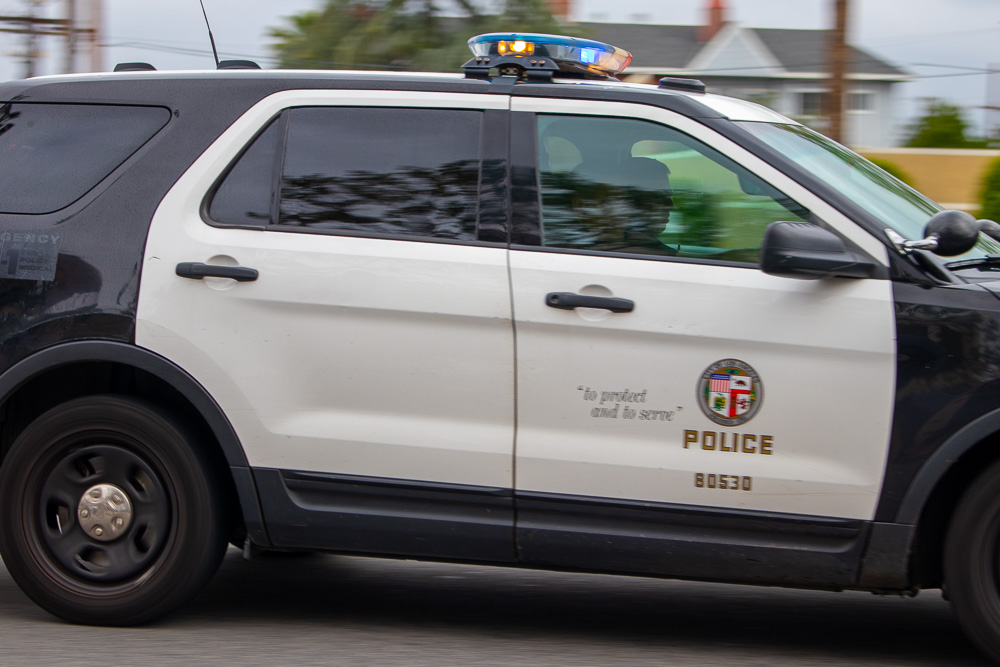
Newark, NJ (May 13, 2024) - Several police vehicles were involved in a crash on...

Jackson Township, NJ (June 13, 2024) - Officials in Ocean County are currently looking for...
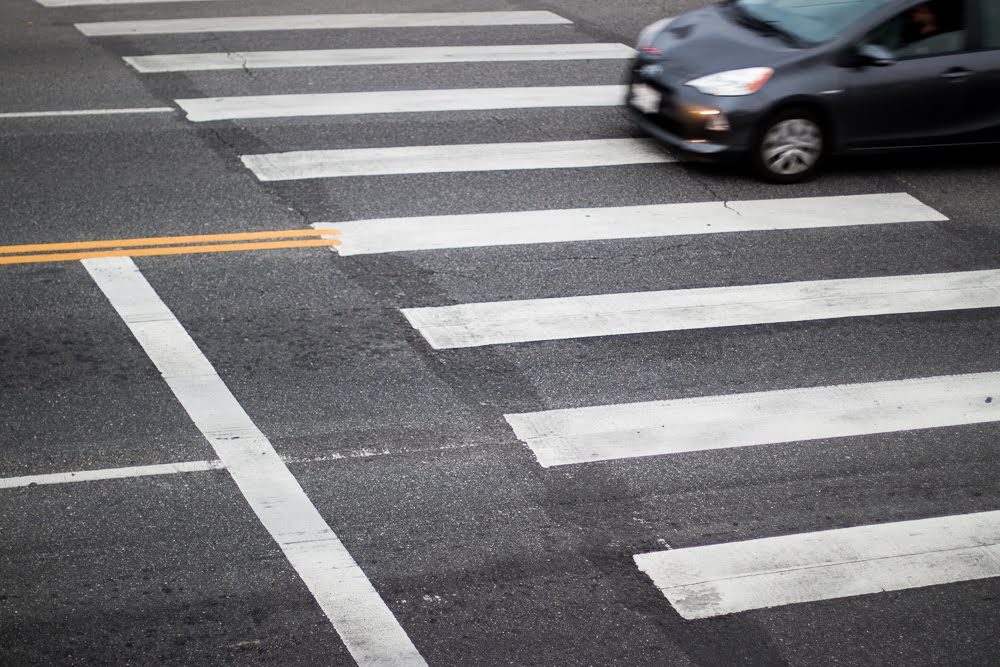
Manhattan, NY (December 9, 2024) – An injury pedestrian crash occurred on Monday evening in...

Hamilton, NJ (April 14, 2023) - On the afternoon of Friday, April 13, a car...