
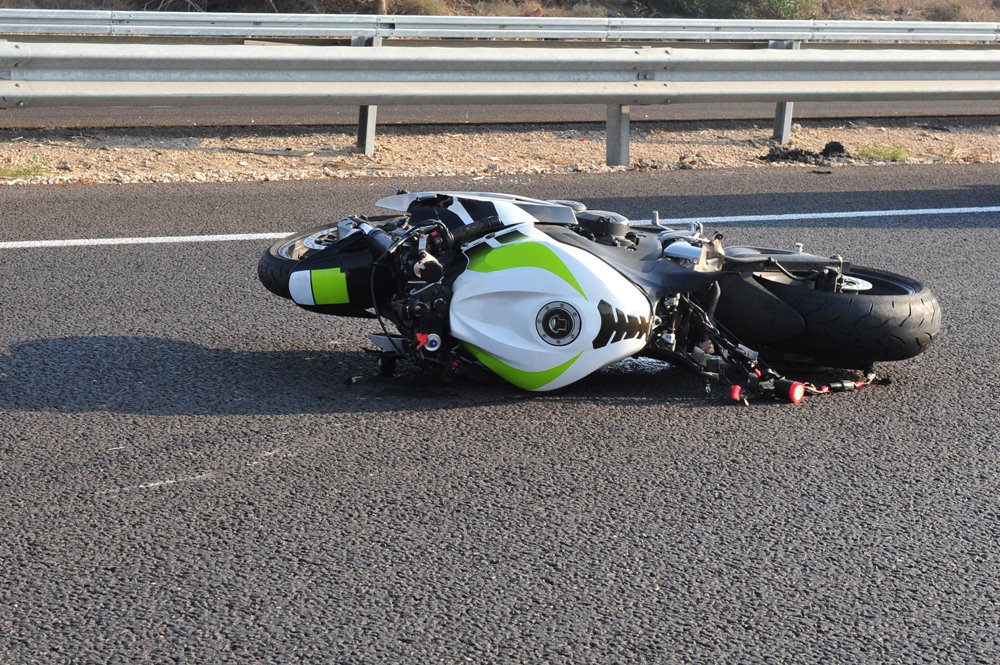
When traffic slows on the New Jersey Turnpike, Garden State Parkway, I-80, or Route 1, riders may feel stuck. Lane splitting may seem like a quick way around stopped cars, but one wrong move can leave a rider badly hurt. If a motorcycle passes between lanes, drivers may not expect it.
A car may drift, a door may open, or a truck may block the rider’s path. After a collision, motorcycle lane splitting New Jersey legal rules and NJ motorcycle accident laws can affect fault and insurance.
Under New Jersey law, lane splitting is not clearly allowed for motorcyclists. Riders should not assume they can travel between rows of traffic. Police may treat it as unsafe passing, careless driving, or reckless riding.
Unlike California, New Jersey has not approved lane splitting for regular traffic. A proposed lane filtering bill has appeared before lawmakers, but proposals do not change current road rules. Riders still face risk when they split lanes.
According to the New Jersey Motor Vehicle Commission, residents need a motorcycle endorsement or separate motorcycle license to operate a motorcycle. All motorcycles also need title, registration, and insurance. Riders must still follow traffic rules while using public roads.
If a rider crosses between lanes near Newark, Jersey City, Paterson, Edison, or Trenton, police may issue a ticket. A ticket does not automatically decide injury fault. Insurers may still use it against the rider.
Once a crash happens, the facts become very practical. Speed, lane position, traffic flow, and driver movement all matter. A careful review can show whether one person or both share blame.
If a motorcyclist was lane splitting, insurers may blame the rider first. They may argue the rider moved where drivers could not see them. They may also claim the rider created a sudden hazard.
When a driver changes lanes without signaling, fault may shift toward that driver. Drivers need to check mirrors and blind spots before moving. A motorcycle’s small size does not erase that duty.
After a car door opens into a rider’s path, the person opening it may share blame. Drivers and passengers should look before opening doors near traffic. Dooring crashes can cause head, leg, shoulder, and back injuries.
Because lane splitting liability NJ cases depend on facts, small details matter. Speed, traffic flow, lane width, weather, lighting, and road design can all matter. A slow filter at a red light differs from weaving through moving cars.
If both sides made unsafe choices, New Jersey can divide fault. The state’s Comparative Negligence Act allows responsibility to be assigned in proportion to fault. The final amount can drop based on assigned fault.
After a motorcycle crash, New Jersey insurance rules can feel confusing. Motorcycle policies do not always work like standard car policies. Coverage depends on the policy, injuries, and parties involved.
If another driver caused the crash, that driver’s liability insurance may apply. Medical bills, lost income, and pain may become part of the claim. Available coverage can limit what insurance pays.
When a rider has uninsured or underinsured motorist coverage, that policy may help. It may apply if the at-fault driver has no insurance or too little coverage. Policy language controls how that process works.
Because helmets are required in New Jersey, helmet use may also come up. A helmet issue can affect arguments about head injuries. It does not excuse a driver who caused the crash.
Before accepting a settlement, riders should know the full medical picture. Broken bones, road rash, nerve damage, and concussions can take time to measure. Quick payments may not reflect future care or missed work.
Once the crash happens, get to safety if you can move. Call 911 and ask for medical help. A police report can record crash facts before memories change.
After officers arrive, explain what happened without guessing. Give your direction of travel, lane position, and what the driver did. Avoid arguing about fault at the scene.
If your phone is nearby, take photos before vehicles move. Capture damage, lane markings, traffic signals, mirrors, skid marks, and debris. Photos can show whether a driver drifted or turned suddenly.
When witnesses stop, ask for names and phone numbers. A nearby driver may have seen the car move without warning. A passenger may have seen the motorcycle before impact.
Before speaking with insurance adjusters, remember their job. They may use lane splitting to reduce your claim. Keep your answers short, accurate, and limited to known facts.
If you were lane splitting, your case is not automatically over. New Jersey fault rules can allow recovery when both sides share blame. Your share of fault affects the final result.
When a driver clearly caused the crash, their conduct still matters. A sudden lane change, illegal turn, or open door can support your claim. Bad driver choices do not vanish because a rider made a risky move.
After insurers review the crash, they may offer less money. They may say lane splitting proves you caused the collision. Evidence can help push back against that claim.
Because injuries from motorcycle crashes can be severe, full losses should be reviewed. Medical care, future treatment, lost pay, bike damage, and pain can all matter. Family support needs may also become part of the review.
Before deciding what to do, speak with someone who handles motorcycle crashes. A lawyer can review police reports, tickets, photos, insurance letters, and medical records. That review can show whether the insurer is treating the claim properly.
Were you hit while riding a motorcycle in New Jersey or New York? At MetroLaw.com, we help injured riders after motorcycle crashes across New Jersey and New York.
Our New Mexico motorcycle accident lawyers can review crash facts, traffic rules, insurance coverage, and available evidence. We can also deal with insurers while you focus on recovery.
You can contact MetroLaw.com at (800) 469-6476 to discuss your crash and next steps.
Serious accidents in New York and New Jersey take place in a wide variety of...

When you hear “New Jersey”, you may picture Atlantic City, with its bustling nightlife, or...

Settling a personal injury case can feel like the end of a long road. Once...

Introduction: Her parents were devastated by the news that their 7 year-old daughter, Laylah Clark,...