
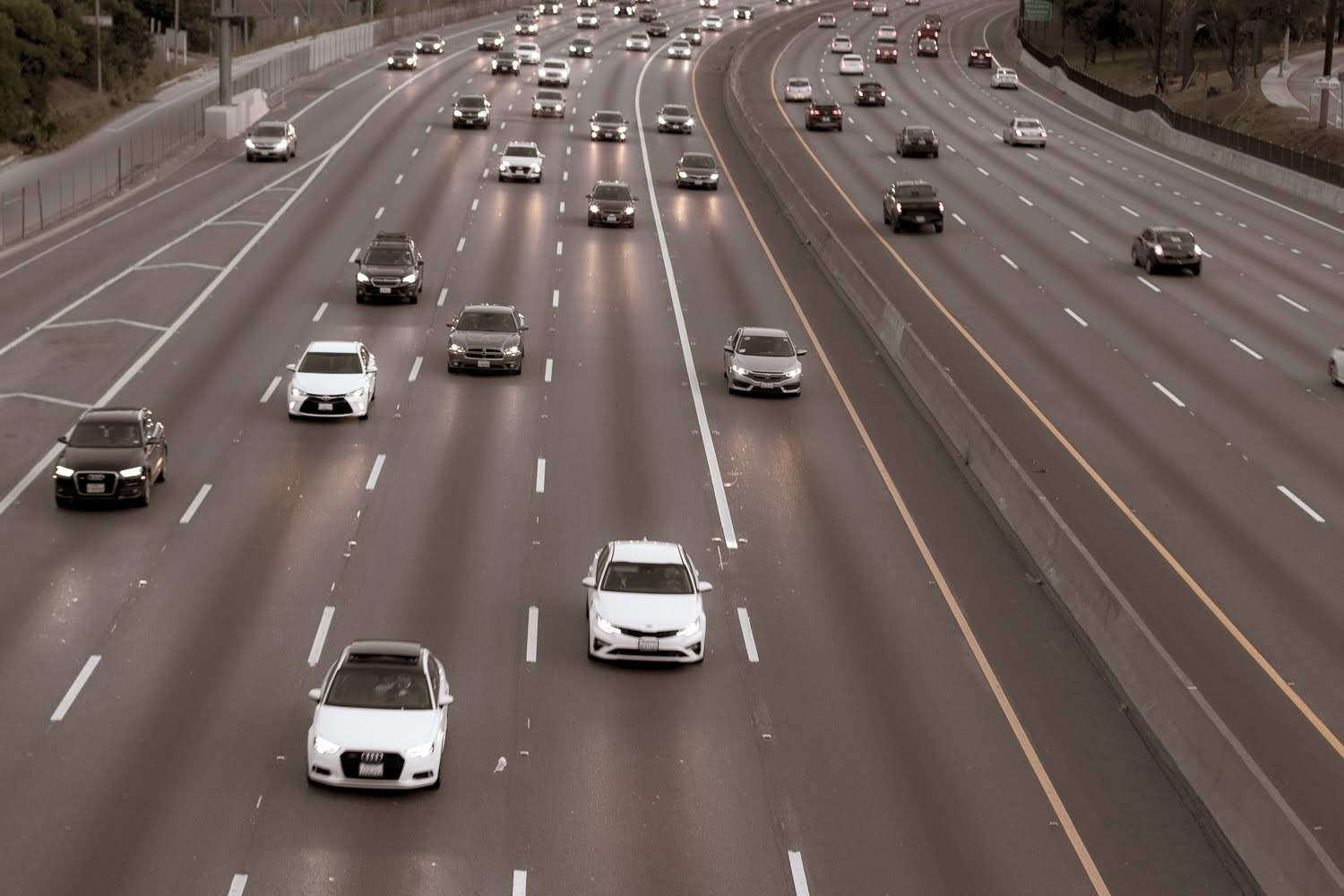
A turnpike accident sometimes involves drivers from other states, and New Jersey has a special rule, the deemer statute, that can change how their insurance is treated. Out-of-state drivers whose insurers do business in New Jersey may be deemed to carry the state coverage terms, including the verbal threshold. If a highway crash has left you injured and the other driver was from out of state, an attorney can sort out which rules apply at no cost.
High-volume corridors like the Turnpike and I-287 carry constant interstate traffic, which makes these coverage questions common after a serious wreck. Knowing how the rule works helps you understand what to expect from each insurer.
The Turnpike, I-287, and similar corridors move heavy interstate traffic at high speed, mixing passenger cars with commercial trucks. Crashes there tend to be severe and frequently involve drivers and vehicles registered outside New Jersey.
That out-of-state element raises a question an ordinary local fender-bender never does: whose insurance rules govern the claim. The answer can shape whether the verbal threshold is even available as a defense and how much coverage is on the table, though commercial trucking crashes often follow a different track altogether.
The verbal threshold generally does not apply to injuries caused by a commercial vehicle not covered by PIP, and interstate carriers are typically subject to separate federal minimum-coverage requirements, so a crash involving a tractor-trailer usually calls for a different coverage analysis than one between two passenger vehicles.
New Jersey's deemer statute, N.J.S.A. 17:28-1.4, provides that an out-of-state driver whose insurer is authorized to do business in New Jersey, or is affiliated with an insurer that is, is treated as carrying New Jersey policy terms when driving here, so long as there's a substantial connection between the use or operation of the insured vehicle and the accident itself. Courts have declined to apply the statute where that connection is missing, such as a pedestrian struck by a different car while the insured vehicle was simply parked nearby.
Where it applies, the deemer statute affects both PIP and liability coverage. In practice, that generally means the driver is deemed to have up to $250,000 in New Jersey personal injury protection, along with New Jersey's minimum liability coverage requirements and, separately, the driver's own pain and suffering claim is bound to the limitation on lawsuit (verbal threshold) option, regardless of what tort election they made at home.
The trade cuts both ways for that driver. It extends New Jersey no-fault benefits to a visitor, but it also binds that visitor's own pain and suffering claim to the verbal threshold they did not expect.
The verbal threshold under N.J.S.A. 39:6A-8 may limit a claim for pain and suffering unless the injury meets a statutory category. Severity alone does not qualify, so the category matters more than how bad the crash looked.
Displaced fractures, permanent injuries, and significant scarring are among the six categories that pierce the threshold. A physician certification supported by objective clinical evidence, served within 60 days of the answer, is what establishes the exception.
Call the police so there is an official report, photograph the road and vehicle plates, and seek medical care promptly even if you feel able to walk away. Interstate crashes often produce delayed-onset injuries.
You typically have a two-year window from the injury to file suit under N.J.S.A. 2A:14-2. If the roadway itself contributed, the New Jersey Turnpike Authority is a public entity, and notice must be filed within 90 days under N.J.S.A. 59:8-8.
Whether the out-of-state driver's insurer operates in New Jersey is the key question.
| Other driver's situation | Likely treatment under the deemer rule |
| Insurer authorized in New Jersey | Deemed to carry NJ terms, including the threshold |
| Insurer not authorized in New Jersey | NJ deemer treatment generally does not apply |
| New Jersey driver, out-of-state crash | Different states' rules may govern instead |
It treats an out-of-state driver whose insurer does business in New Jersey as carrying New Jersey policy terms, including the verbal threshold, when driving in the state.
It can, if the deemer rule applies to that driver's insurer. Serious highway injuries often meet a statutory exception anyway.
The location does not change the law, but these corridors carry heavy interstate traffic, which makes out-of-state insurance questions more common.
Call police for an official report, photograph the scene and license plates, and get medical care promptly even if you feel uninjured.
Typically, two years from the date of injury, and only 90 days to file a notice of claim if a public entity is responsible.
When an out-of-state driver is involved, the coverage and threshold questions can decide what your claim is worth, and they are not always obvious. A clear review early avoids costly surprises. Our New Jersey highway accident lawyer page explains how we handle these crashes, and our commercial truck crash claims page covers big-rig wrecks on the same corridors.
If you were hurt on the Turnpike or I-287, our attorneys at Robert A. Solomon, P.C., known as Metro Law, can determine which rules apply to your crash. There is no cost to consult, and with the firm working on contingency, a fee applies only when you recover. Contact us at (800) 469-6476 to talk it through.
Last reviewed: August 2026
This post was reviewed by Robert A. Solomon, licensed in New Jersey since 1982.
This post is provided for informational purposes only and does not constitute legal advice. Reading it does not create an attorney-client relationship. For advice about your specific situation, consult a licensed attorney.
When a cyclist gets hit in a bike lane, the crash can change a normal...

Distracted driving in NJ, from texting to holding a phone, can establish a driver’s liability...
If you are in a car accident in Jersey City, the first hour matters: call...
Car accidents in New York and New Jersey happen all the time. These two very...