
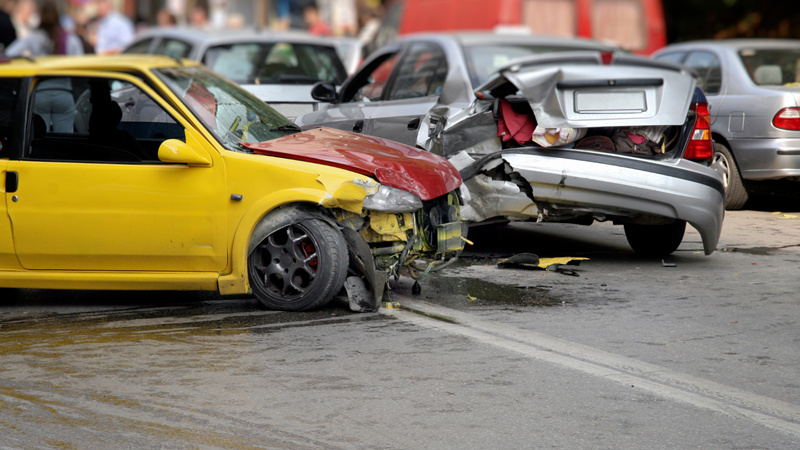
Car accidents in New York and New Jersey happen all the time. These two very busy states see not only traffic congestion but all sorts of motor vehicle accidents, both in their crowded cities like Newark or Manhattan, and in their rural areas.
Unfortunately, not all drivers know what to do when they are involved in a car crash. The steps you take in the first 24 hours can affect your health, your insurance claim, and your legal options. Acting the right way from the start matters more than most people realize.
New York and New Jersey have different laws on insurance, reporting, and fault. What applies on the Garden State Parkway may not apply on the Belt Parkway or the FDR Drive. Here, we walk you through what to do and what to avoid if you were injured in a crash in either state.
The first thing to do after a crash is make sure everyone is safe. Move vehicles out of traffic if possible and turn on hazard lights. Check yourself and passengers for injuries before anything else.
Call 911 right away, even if the accident looks minor. Police create an official crash report that insurers and attorneys rely on later. In New York City, crashes with injuries or significant property damage, whether on Atlantic Avenue, Queens Boulevard, or the Grand Concourse, require a police response.
Stay at the scene until law enforcement arrives and clears you to leave. Leaving before that can create legal problems, regardless of fault. Keep interactions calm and limit what you say to the other driver.
New York law requires drivers to call police when a crash results in injury, death, or property damage over $1,000. New Jersey has a similar standard and requires a written report within 10 days for accidents not handled by police. Both states treat failure to report seriously.
Always get the report number before you leave the scene. That number connects your claim to the official record. Without it, disputes about what happened become harder to resolve.
Adrenaline can mask pain after a crash, and many injuries do not show up right away. Whiplash, soft tissue damage, and brain injuries can take hours or days to become obvious. Getting checked out the same day protects your health and your claim.
Emergency rooms and urgent care centers in New York and New Jersey can document injuries the same day. That documentation creates a direct link between the crash and your condition. Gaps in medical care give insurers a reason to dispute your claim.
Follow up with your doctor even if the ER clears you. Some injuries need ongoing monitoring. Keep every receipt, record, and diagnosis from every medical visit.
Gather as much information as you can while still at the scene. Take photos of all vehicles, the road, traffic signs, skid marks, and any visible injuries. These images help show what happened.
Exchange information with every driver involved, including name, license number, insurance company, and policy number. In New York City, taxis and rideshare vehicles add another layer of documentation, especially in high-traffic corridors like Flatbush Avenue or Hudson Street in Jersey City where crashes are frequent. Rideshare passengers should screenshot their trip details in the app immediately.
Write down the names and contact information of any witnesses. Bystander accounts carry weight with insurers and in court. Memory fades fast, so record details as soon as possible.
Stick to the facts when speaking to police and other drivers. Give your name, license, registration, and insurance information. Do not apologize or admit fault, even casually.
Avoid phrases like "I didn't see you" or "I'm sorry." These statements can be taken as admissions of liability. Insurance adjusters and opposing attorneys pay close attention to what is said after a crash.
Do not give a recorded statement to the other driver's insurance company without legal guidance. Adjusters are trained to ask questions that reduce your claim. You have the right to speak with an attorney first.
Report the crash to your own insurance company as soon as possible. Insurance policies require prompt notice and cooperation. Delaying the report can complicate your claim or lead to denial.
In New York, Personal Injury Protection (PIP) covers medical bills and lost wages regardless of fault. New Jersey drivers choose between policy types that affect how medical costs are covered. Knowing which system applies matters before filing.
Provide your insurer with the police report number, photos, and witness information. Keep your description clear and factual. Let the documentation support your claim.
One common mistake is settling too quickly. Insurance companies may offer low payments before the full extent of injuries is known. Accepting early money can limit your ability to recover more later.
Another mistake is failing to document the scene. Drivers may skip photos or forget witness details in the moment. That missing information is hard to recover later.
Do not post about the accident on social media. Anything shared can be used against you. Stay offline until you have spoken with an attorney.
New York is a no-fault state, so your PIP coverage pays for medical expenses after a crash. You can only take legal action against the at-fault driver if your injuries meet the "serious injury" threshold. This may include fractures, major disfigurement, or permanent limitations.
New Jersey also uses a no-fault system but gives drivers a choice. The "limitation on lawsuit" option restricts claims for pain and suffering unless injuries are serious. The "no limitation" option allows broader claims but comes with higher premiums.
These rules affect how claims move forward and what may be available to you. A crash on Route 9 in New Jersey and one on the Long Island Expressway in New York may look similar but follow very different legal paths. Knowing the rules that apply matters from the start.
If you were in a car accident in New York or New Jersey, you do not have to figure out the next steps alone. At MetroLaw.com, we handle personal injury claims across both states and understand how each insurance system works. Our team reviews your case and helps you understand your options before you make decisions.
You can call MetroLaw.com at 800-469-6476 to speak with our New York and New Jersey car accident lawyers.

When a loved one with dementia or memory loss lives in a care facility, you...
Settling a personal injury case can feel like the end of a long road. Once...

After a construction accident in NJ, an injured worker has two separate paths to recovery:...

Blizzard conditions across New York and New Jersey can turn everyday drives into dangerous situations...