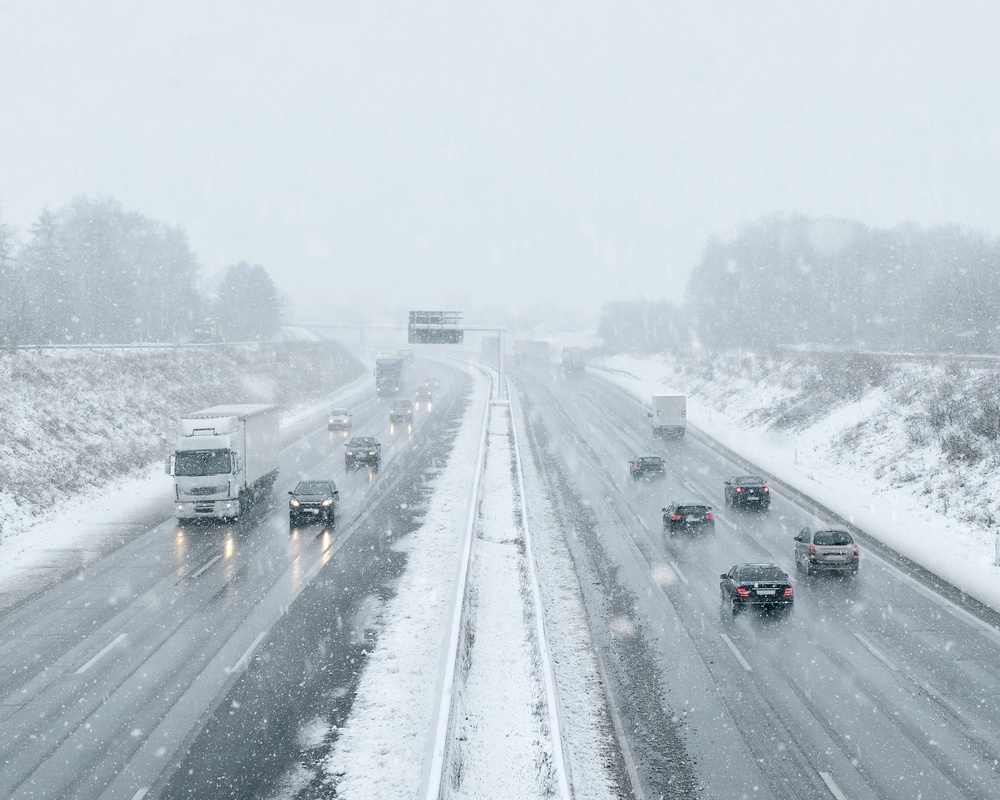
Blizzard conditions across New York and New Jersey can turn everyday drives into dangerous situations within minutes. Snow builds up, roads freeze, and visibility drops, leaving drivers with little time to react. These conditions increase the chance of multi-car crashes, rear-end collisions, and vehicles sliding off the roadway.
After a crash, you may face confusion about what to do next, who is responsible, and how insurance applies under state rules. Here are the key things you should know about blizzard conditions and what to do when they lead to a crash.
Following recent snowstorms, road surfaces across New York and New Jersey change quickly and remain unstable. Snowfall piles up, then compresses into packed ice as traffic passes over it. This creates uneven traction across lanes and intersections.
Plows clear main highways, but side streets and ramps can still hold deep snow. Drivers move from clear lanes to slick patches within seconds. That sudden shift can lead to loss of control even at normal speeds.
Winds can blow snow back onto open lanes, and visibility can drop without warning. Whiteouts make it difficult to see lane lines, signals, or stopped vehicles. Drivers may not recognize hazards until they are very close.
Temperatures may rise during the day, with melted snow later refreezing at night. This process creates black ice on bridges, overpasses, or shaded roads. These areas stay slick even if nearby pavement appears dry.
In blizzard traffic accidents across New York, visibility is a major factor. Drivers cannot judge distance, speed, or road edges in heavy snowfall. Reaction time becomes much slower.
Strong winds can push vehicles sideways, and control becomes harder at higher speeds. Large vehicles like trucks feel these gusts more, which can cause sudden lane shifts. Sudden movements may push a car out of its lane.
After tires lose traction, steering inputs no longer guide the vehicle as expected. This leads to lane drift or sudden spinouts. Other drivers may not have time to react.
Headlights reflect off falling snow, causing glare or visual distortion. This effect makes it harder to track nearby vehicles. Night driving becomes even more difficult.
Drivers who follow too closely in a blizzard cannot stop in time. Rear-end crashes happen frequently in these conditions. Reduced traction limits normal stopping ability, increasing the risk of chain-reaction collisions.
During winter storm accidents in New York, multi-vehicle pileups are frequent, and they often begin with a single driver losing control. Other drivers cannot stop, which leads to collisions with the stopped vehicle. Several lanes can become blocked at once.
Braking takes longer on snow, so rear-end crashes are also a common occurrence at intersections or stoplights. Vehicles slide into the back of cars already stopped. Even slow speeds can still lead to impact.
A car that loses traction on a curve can slide off the roadway or into a guardrail. These single-vehicle crashes can still cause serious injuries. Drivers may strike fixed objects along the road.
When drivers try to change lanes in slush, tires can catch or pull the car sideways. This leads to sideswipe collisions with nearby vehicles. Close traffic leaves little room to recover, making these crashes common during a snowstorm.
Drivers approaching hills with packed snow may roll backward or stall. Vehicles behind them then collide when they cannot stop. Traffic builds up quickly in these areas, turning small incidents into larger roadway hazards.
Certain highways close during severe weather, with vehicles rerouted onto smaller roads. This shifts congestion into neighborhoods not designed for heavy traffic. Local streets may become crowded.
If authorities lower speed limits during storms, drivers who ignore those limits increase the risk of a collision. Speed differences between vehicles create sudden hazards, since faster cars approach slower traffic too quickly.
After snow emergency routes are declared, parked cars may be restricted on certain streets. This helps plows clear lanes more effectively. Cleared lanes improve visibility and access.
Closures can affect bridges or tunnels, with delays building up on surrounding roads. Drivers may rush or make sudden lane changes to avoid waiting, and these movements increase crash risk.
Before driving during a snowstorm in New York or New Jersey, you should check official travel advisories. State alerts explain road closures, speed limits, and hazardous areas.
After plows clear main roads, smaller streets may still have snow buildup. Stay alert for uneven surfaces or narrowed lanes. Conditions can change quickly between blocks.
Crossing bridges or overpasses brings faster temperature drops than on regular roads. Ice forms there first and lasts longer, so remember to slow down in these areas.
Blizzard driving accidents in New York rise during sudden weather shifts, so be sure to adjust speed for current conditions. Smooth driving reduces loss of control. On the contrary, quick movements can cause your vehicle to slide, making cautious driving extremely important at all times.
Your first priority after a crash should be safety. Move to a safe area if possible and stay out of traffic lanes. Keep yourself and others away from oncoming traffic.
If vehicles cannot move, turn on hazard lights to warn approaching drivers. Use reflective markers or flares if available. These signals help others see the crash in low visibility.
Check for injuries and call emergency services to report the crash. Response times may be longer during severe weather, so remain on the line and follow instructions until help arrives. You should seek medical attention as soon as possible after the crash. Cold weather or stress can mask pain at first.
If it is safe, you should exchange contact and insurance details with the other involved drivers. Photos of vehicle positions and road conditions can help document what happened. Clear records help explain conditions later.
In addition, you should notify your insurance company as soon as possible after a snowstorm crash. Early notice helps start the claim process and preserve details. Delays can make coverage questions harder to resolve.
Lastly, a car accident lawyer can help you understand your rights after a winter crash. An attorney can review the report, insurance coverage, and road conditions. Legal guidance can clarify who may be responsible under New York or New Jersey laws.
If you were hurt in a crash during a blizzard in New York or New Jersey, you do not have to handle the aftermath alone. Our team at MetroLaw.com helps victims across New York and New Jersey manage winter weather accident claims, deal with insurance companies, and recover losses linked to snow and ice crashes.
We also help you understand your rights and what steps to take after a severe weather collision. Call MetroLaw.com at 800-469-6476 to schedule a free consultation to discuss your crash with our New York and New Jersey car accident lawyers.
Every winter, drivers across New York and New Jersey face road conditions that turn a...
Settling a personal injury case can feel like the end of a long road. Once...
If you are in a car accident in Jersey City, the first hour matters: call...
A turnpike accident sometimes involves drivers from other states, and New Jersey has a special...